
Intro
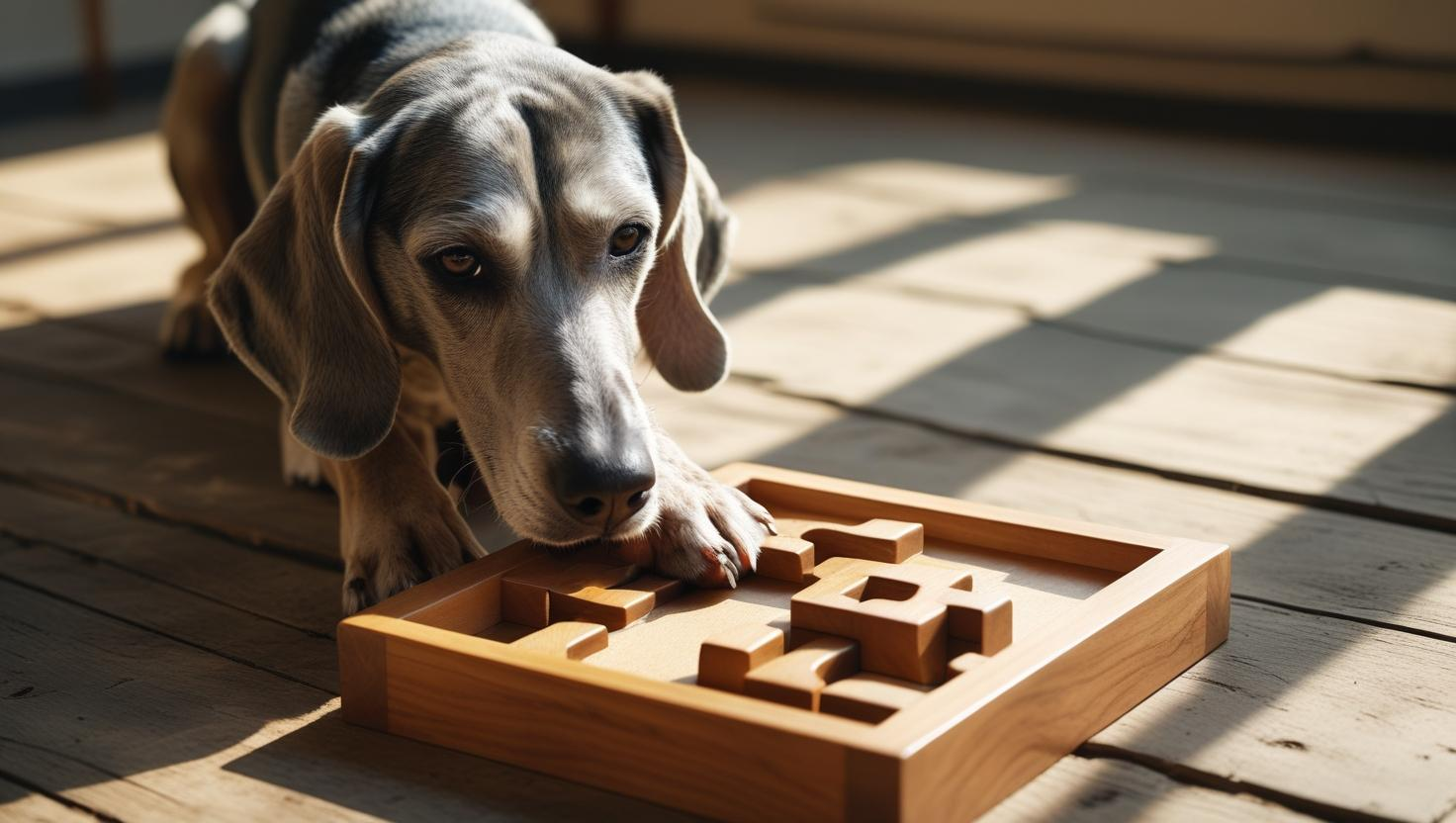
As our dogs grow older, their needs change—and that includes how they play. Your bouncy, energetic pup may have slowed down a bit, but that doesn’t mean they’ve lost their curiosity or need for mental stimulation. In fact, keeping your senior dog’s mind active is one of the best ways to support their overall health and happiness in their golden years.
That’s where puzzle toys come in. These clever toys aren’t just for hyper puppies—they’re fantastic tools to keep older dogs mentally sharp, calm, and engaged without putting extra stress on their joints. Whether your senior pup is showing early signs of canine cognitive decline or just needs a fun way to stay busy indoors, puzzle toys can make a real difference.
🐾 Heads up! Some of the links in this post are affiliate links, which means we may earn a small commission if you make a purchase—at no extra cost to you. We only recommend products we believe in and that are safe, gentle, and enriching for senior dogs.
Let’s explore how puzzle toys can benefit aging dogs and how to choose the right ones to keep those tails wagging and minds working.
| Puzzle Toy | Best For | Features | Buy |
|---|---|---|---|
| Outward Hound Dog Brick | Gentle problem-solving | Sliding compartments, multiple treat spots | View on Amazon |
| Snuffle Mat | Vision-impaired dogs | Scent-based foraging, slow feeding option | View on Amazon |
| West Paw Toppl | Soft chewing + food toys | Flexible rubber, dishwasher-safe, stackable | View on Amazon |
| Trixie Mad Scientist Turn Around | Mental tracking + paw work | Rotating vials, non-slip base | View on Amazon |
| KONG Senior | Comfort chewing + enrichment | Soft rubber, fillable with treats or paste | View on Amazon |
🐾 Why Mental Stimulation Matters for Older Dogs
As dogs age, their cognitive function naturally begins to decline—just like it does in humans. You might notice your senior pup seeming a little more confused, less interested in toys, or slower to respond to commands. These changes can be subtle at first, but they’re part of a larger process known as Canine Cognitive Dysfunction (CCD)—often referred to as “doggy dementia.”
The good news? You can take proactive steps to slow cognitive decline and keep your aging dog mentally sharp.
🧠 Mental Stimulation = Brain Exercise
Dogs rely on daily engagement to stay mentally healthy. Without it, their minds can become as stiff as their joints. Activities like sniffing, solving simple puzzles, and searching for treats help:
- Boost memory and learning ability
- Increase focus and attention span
- Prevent boredom-related behaviors (like pacing or whining)
- Maintain confidence and problem-solving skills
And the best part? These benefits don’t require high-impact physical movement—making puzzle toys the perfect enrichment solution for older dogs with arthritis or mobility issues.
💤 The Risk of Mental “Retirement”
Senior dogs often get less playtime and fewer challenges as they age—not because they want it, but because we assume they’re “slowing down.” The reality is that mental inactivity can accelerate cognitive decline, leading to:
- Disorientation or confusion
- Disrupted sleep patterns
- Increased anxiety or restlessness
- Decreased responsiveness to people or surroundings
That’s why adding just a few minutes of daily brain work—like puzzle toys or foraging games—can be life-changing for your older pup.
🐾 Top Benefits of Puzzle Toys for Senior Dogs
Puzzle toys aren’t just fun—they’re an essential tool for healthy aging. These mentally stimulating games can make a powerful difference in your senior dog’s emotional well-being, mental clarity, and even their physical comfort.
Here’s how:
🧠 1. Supports Cognitive Health
Puzzle toys challenge your dog’s problem-solving abilities and memory, which stimulates the brain and helps keep those neurons firing. For dogs showing early signs of cognitive decline, regular brain games can slow down the progression of Canine Cognitive Dysfunction (CCD) and promote clearer thinking.
🧘 2. Reduces Stress & Anxiety
Older dogs are often more prone to anxiety—especially at night or when left alone. Interactive toys can provide a calming, focused outlet that redirects nervous energy. The act of sniffing, pawing, or licking a puzzle helps engage the parasympathetic nervous system, which supports relaxation.
🐾 3. Encourages Gentle Movement
While senior dogs may not be up for roughhousing or long hikes, they still benefit from light activity. Puzzle toys require just enough movement—sniffing, nudging, and pawing—to promote circulation and joint mobility without overexertion.
🍗 4. Stimulates Appetite
Many older dogs lose interest in food or become picky. Puzzle toys that dispense treats or kibble can turn mealtime into a game, encouraging reluctant eaters and adding excitement to their day.
❤️ 5. Builds Confidence
Solving puzzles gives your dog a sense of purpose and accomplishment. For aging dogs who may feel a bit more uncertain or slower than they used to be, this type of engagement boosts confidence and keeps them emotionally connected to their environment.
Puzzle toys are more than just enrichment—they’re a brain-boosting tool that supports emotional and physical health during your dog’s golden years.
🐾 What to Look for in Puzzle Toys for Seniors
Not all puzzle toys are created with older dogs in mind. Seniors have specific needs—whether it’s reduced vision, arthritis, or just a shorter attention span. Choosing the right puzzle toy ensures your dog stays safe, engaged, and doesn’t get frustrated trying to play.
Here’s what to prioritize:
✅ Soft or Flexible Materials
Senior dogs often have dental issues or sore jaws. Look for toys made from gentle rubber or soft plastics that are easy to bite, lick, or nudge.
✅ Easy-to-Solve Challenges
While some dogs enjoy a challenge, your senior pup will benefit more from low to medium difficulty puzzles. If it’s too hard, they’ll give up—or worse, become anxious or discouraged.
✅ Large, Visible Pieces
Aging eyes may struggle with fine details or small compartments. Choose puzzle toys with larger components and high-contrast colors that are easier to see and interact with.
✅ Non-Slip Base
As dogs age, balance and mobility can become tricky. A puzzle toy that slides across the floor can be frustrating—or even dangerous. Go for toys with rubber grips or weighted bases to keep everything stable during play.
✅ Washability
Older dogs may be more prone to drooling or digestive issues. A puzzle toy that’s easy to clean (preferably dishwasher-safe) helps maintain hygiene and prevent germs from building up over time.
✅ Sniff-Based or Lick-Based Options
For seniors with limited mobility, snuffle mats and lick mats provide great enrichment with minimal physical demand. They engage the brain without requiring much paw work or precision.
A good puzzle toy should feel like a rewarding experience, not a test. Focus on comfort, safety, and simplicity—and your senior dog will stay happily engaged.
🐾 Tips to Keep Puzzle Time Fun & Safe
Introducing puzzle toys to your senior dog can be a joyful experience—for both of you! To make sure it stays positive and stress-free, keep these tips in mind:
✅ Start Simple and Slow
Begin with easy puzzles to let your dog get comfortable with the idea. Gradually increase difficulty only if your dog is eager and successful.
✅ Supervise Playtime
Especially at first, stay nearby to watch how your dog interacts with the toy. This helps prevent frustration and ensures they’re safe while learning.
✅ Use Healthy Treats
Choose low-calorie, nutritious treats or pieces of your dog’s regular kibble. This prevents overfeeding and supports overall health.
✅ Keep Sessions Short
Senior dogs may tire more quickly. Limit puzzle time to 5-10 minutes per session, multiple times a day if desired.
✅ Clean Toys Regularly
Regular cleaning keeps toys hygienic and free from mold or bacteria, which is especially important for older dogs with weaker immune systems.
✅ Watch for Signs of Frustration or Disinterest
If your dog shows stress, gives up, or loses interest, take a break or switch to a different type of puzzle toy. The goal is fun and engagement—not pressure.
✅ Rotate Toys
Keep things fresh by rotating puzzle toys every few days. This maintains curiosity and prevents boredom.
With these simple steps, puzzle playtime can become a highlight of your senior dog’s day—keeping their mind bright and their spirits high.
🐾 Final Thoughts: A Brighter Brain for Your Best Friend
Caring for a senior dog means more than just meeting their physical needs—it’s about nurturing their mind and spirit, too. Puzzle toys offer an easy, enjoyable way to give your aging pup the mental workout they deserve.
By keeping their brains active, you help slow cognitive decline, reduce anxiety, and keep them engaged with the world around them. Whether it’s a simple snuffle mat or a treat-dispensing puzzle, these toys provide fun, gentle challenges that enrich your dog’s golden years.
Remember: every dog ages differently. Pay attention to your pup’s preferences and needs, and adjust their enrichment routine accordingly. With patience and play, you’re helping your senior dog live a happier, healthier, and sharper life—one puzzle at a time.
Explore more ways to keep your dog’s mind sharp and tail wagging with our full guide to 🐾 Toys & Mental Stimulation for Dogs.