

1. Introduction: Why Paw Protection Matters for Working Dogs
Working dogs are built tough — whether they’re patrolling with K9 units, guiding handlers through remote trails, or helping with search and rescue, their job demands endurance, focus, and reliability. But no matter how strong or skilled your dog is, their paws are still vulnerable to the environment they’re working in.
Paws are your dog’s only form of “footwear” by default. They’re exposed to heat, cold, jagged rocks, broken glass, snow, and everything in between. While paw pads are naturally thick, they’re not indestructible — and over time, constant impact on harsh terrain can lead to cracked pads, cuts, burns, and even long-term joint issues. That’s why protecting your dog’s paws with high-quality, durable boots is more than just a comfort measure — it’s a critical part of their working gear.
If you’ve read our tactical dog gear guide, you already know how vital each piece of equipment is when it comes to keeping working dogs safe and effective on the job. Boots are no exception.
Rugged environments present serious challenges. In urban areas, hazards like hot pavement, chemicals, and broken glass can do real damage. In natural terrain, it’s often sharp rocks, thorny brush, snow, or ice that cause problems. And over long distances or in extreme weather, these threats compound quickly. The last thing you want is for your dog to get sidelined by something preventable.
The good news? With the right boots, you can drastically reduce those risks while giving your working dog better grip, protection, and stamina to tackle any terrain.
In the sections ahead, we’ll break down what to look for in durable dog boots and how to find the best ones for your dog’s specific needs.
Affiliate Disclaimer
This post may contain affiliate links. If you click and make a purchase, we may earn a small commission at no extra cost to you. As an Amazon Associate, we earn from qualifying purchases. We only recommend products we trust and use with our own dogs.
Table of Contents
2. Why Working Dogs Need Durable Boots
Working dogs aren’t just pets — they’re partners. Whether they’re deployed in law enforcement, military, hunting, ranching, or search-and-rescue, their performance depends heavily on physical ability and stamina. And nothing can slow them down faster than injured paws.
Durable dog boots serve multiple functions that go beyond just looking tactical. Here’s why they’re essential for any dog operating in demanding conditions:
1. Paw Protection from Sharp Objects
Rocky terrain, shattered glass, metal shards, or jagged roots can easily slice through a dog’s paw pad. Durable boots with reinforced soles act as a barrier, reducing the chance of cuts and painful injuries during intense work or long patrols.
2. Heat and Cold Resistance
Surfaces like hot asphalt or freezing snow and ice pose serious risks to unprotected paws. Burns and frostbite aren’t uncommon, especially for dogs working in extreme climates. A well-insulated boot can help regulate paw temperature and prevent thermal damage.
3. Improved Traction
Many working dogs operate in high-speed or high-risk environments — slippery floors, steep trails, or unstable ground. Boots with textured, non-slip soles can improve grip, helping dogs stay balanced and safe, especially during pursuits or climbs.
4. Joint and Pad Support
Just like human footwear, good boots offer shock absorption. Over time, repeated impact on hard terrain can take a toll on joints. Boots with cushioned insoles help reduce long-term wear and tear on your dog’s body.
5. Extended Working Hours
When paws stay protected, your dog can stay active longer without soreness or fatigue. That means greater endurance, better morale, and more reliable performance on the job.
In short, durable boots aren’t just an accessory — they’re a necessity for protecting your working dog’s most valuable asset: their paws.
3. Key Features to Look for in Durable Working Dog Boots
Not all dog boots are built the same — and for working dogs who encounter unpredictable, high-impact environments, quality matters more than ever. A boot that slips off, tears easily, or doesn’t offer enough grip can quickly become a liability.
Here are the essential features to look for when choosing rugged, durable boots for your working dog:
1. Non-Slip, Rugged Soles
A tough outsole is the foundation of any reliable boot. Look for thick rubber soles with aggressive tread patterns that mimic hiking boots — these give your dog the traction they need to navigate rocks, wet ground, snow, and steep slopes safely.
2. Reinforced Upper Materials
Durable fabrics like ballistic nylon, synthetic leather, or ripstop materials are essential. These upper layers protect against thorns, sharp debris, and abrasions while resisting tearing or fraying during heavy use.
3. Secure Fastening System
One of the most common complaints about dog boots is that they fall off. Choose boots with double Velcro straps, hook-and-loop systems, or cinch closures that keep the boots tight without restricting blood flow. A good fit is non-negotiable for performance and safety.
4. Water Resistance or Waterproofing
If your dog works in wet, snowy, or muddy terrain, water-resistant boots help keep their paws dry and reduce the chance of infection or chafing. Fully waterproof options are ideal for snow, river crossings, or rainy deployments.
5. Breathability
Even tough boots need to breathe. Look for mesh linings or ventilated designs that help manage moisture and prevent overheating — especially important in warmer climates or long workdays.
6. Reflective or High-Visibility Features
For working dogs deployed at night or in low-light conditions, reflective trim or high-visibility accents can improve safety and handler awareness.
By focusing on these key features, you’ll be able to choose boots that don’t just survive rugged terrain — they help your dog thrive in it.
4. Types of Terrain That Require Durable Boots
Working dogs face environments that most pets never encounter — and each type of terrain presents unique hazards to their paws. Durable boots aren’t a luxury in these situations — they’re mission-critical.
Here’s a breakdown of the most demanding terrains where tough dog boots make all the difference:
1. Rocky Trails & Mountains
Sharp rocks, loose gravel, and uneven surfaces can easily cause cuts, bruising, or twisted paws. Mountain rescue dogs and outdoor working breeds need high-traction, impact-resistant boots to stay agile and safe on unstable ground.
2. Urban Environments
Police K9s, service dogs, and patrol dogs often work on city streets where pavement can reach dangerous temperatures. In summer, asphalt can burn unprotected paws in seconds. Debris like glass, nails, and metal shavings are common, making rugged soles and puncture resistance a must.
3. Snow, Ice & Cold Climates
In snowy or icy environments, frostbite becomes a real risk. Ice-melt chemicals and salt can also crack and dry paw pads. Insulated, waterproof boots not only protect against the cold but also offer grip on slick surfaces — critical for maintaining balance during fast-paced work.
4. Forests, Brush & Hunting Terrain
Dogs working in wooded areas, on ranches, or during hunts often encounter thorny plants, dense brush, and hidden hazards like barbed wire or sharp branches. Tough uppers and secure closures help prevent cuts, snags, or pulled-off boots.
5. Desert & Arid Zones
In dry, hot climates, the ground can become scorching and abrasive. Sand, burrs, and cacti pose constant threats. Breathable yet protective boots can help dogs move comfortably across these harsh surfaces without injury.
Durable boots are not a one-size-fits-all solution — but choosing the right pair for your dog’s specific work environment can mean the difference between a safe day on duty and a painful injury.
5. Tips for Getting Your Working Dog Comfortable with Boots
Even the toughest working dogs might resist wearing boots at first. If you’ve ever seen a dog take a few high-stepping, awkward strides when boots go on, you’re not alone — it’s totally normal. But with a little patience and training, your dog can get used to boots quickly and confidently.
Here’s how to make the transition smoother:
1. Start Indoors with Short Sessions
Let your dog wear the boots inside the house for just a few minutes at a time. This gives them a chance to adjust in a calm, familiar space without the distraction of a new environment.
2. Use Positive Reinforcement
Reward your dog with treats, toys, or praise every time they tolerate or walk in the boots. Associating boots with a positive experience builds trust and confidence.
3. Practice Walking on Different Surfaces
Once your dog is used to the feel of the boots, take them outside to walk on grass, pavement, gravel, or dirt. This helps them understand the grip and feedback the boots provide in real-world conditions.
4. Check Fit and Adjust as Needed
Boots should be snug but not tight. If they slip off or chafe, your dog will quickly associate them with discomfort. Try adjusting the straps or choosing a different size. Always follow the manufacturer’s sizing chart and measurement guide.
5. Inspect the Boots Regularly
After each use, check for signs of wear, trapped debris, or loosening straps. Keeping boots clean and in good condition helps maintain your dog’s comfort and keeps the boots from becoming a distraction.
With consistent training and the right approach, most dogs will adapt to wearing boots within a few days — and before long, they’ll associate them with adventure, not annoyance.
6. Examples of Popular Durable Boots for Working Dogs
With so many dog boots on the market, it can be overwhelming to pick the right pair for your working dog. To help narrow it down, here are a few highly regarded options known for durability, protection, and performance in rugged conditions:
1. Ruffwear Grip Trex

- Features: Rugged Vibram sole with excellent traction, abrasion-resistant upper, breathable mesh panels
- Ideal for: Rocky terrain, hiking, search and rescue
- Why it stands out: Combines durability with comfort, designed specifically for active working dogs.
2. Muttluks Explorer
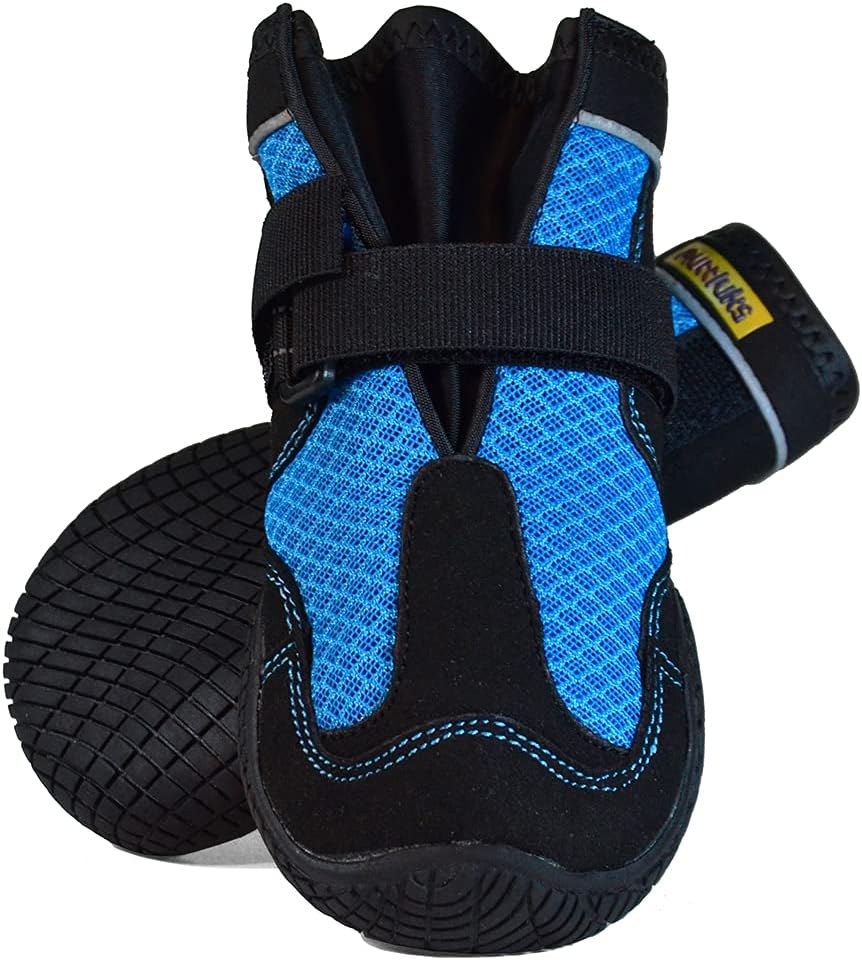
- Features: Waterproof, insulated, flexible sole, secure Velcro straps
- Ideal for: Cold climates, snow, ice, and wet conditions
- Why it stands out: Great for winter deployments, keeps paws warm without sacrificing mobility.
3. QUMY Dog Boots

- Features: Lightweight, affordable, water-resistant fabric, non-slip rubber soles
- Ideal for: General-purpose use on rough urban and outdoor terrain
- Why it stands out: Budget-friendly option with solid protection for dogs new to boots.
4. Ultra Paws Durable Dog Boots

- Features: Heavy-duty sole, adjustable straps, water-resistant upper
- Ideal for: Long workdays on hard, abrasive surfaces
- Why it stands out: Trusted by many K9 handlers for lasting protection and fit.
5. Kurgo Step & Strobe Dog Boots

- Features: Durable rubber soles, reflective strips for visibility, secure fit
- Ideal for: Night operations and varied terrain
- Why it stands out: Safety-focused design with added visibility for low-light work.
Choosing the right boot depends on your dog’s job, environment, and paw size. Always test new boots gradually and monitor for comfort and wear.
| Boot Model | Terrain Suitability | Key Features | Waterproof | Traction Sole | Price Range | Best For |
|---|---|---|---|---|---|---|
| Ruffwear Grip Trex | Rocky, Hiking, Search & Rescue | Vibram sole, breathable upper, abrasion-resistant | No | Excellent | $24.95 | Rugged outdoor use |
| Muttluks Explorer | Snow, Ice, Cold Weather | Insulated, waterproof, flexible sole | Yes | Good | $50.00 | Winter and wet conditions |
| QUMY Dog Boots | Urban, General Outdoor | Lightweight, affordable, water-resistant | No | Good | $24.63 | Budget-friendly everyday use |
| Ultra Paws Durable | Hard surfaces, Long hours | Heavy-duty sole, adjustable straps | Yes | Very good | $37.95 | Heavy-duty work |
| Kurgo Step & Strobe | Low-light, Various Terrain | Reflective strips, durable sole | No | Good | $34.99 | Night work, visibility |
7. Conclusion on protective boots for working dogs
Protecting your working dog’s paws with durable boots is an investment in their health, comfort, and performance. Rugged terrain, extreme weather, and urban hazards can quickly take a toll on unprotected paws, leading to injuries that slow your dog down or even take them off duty.
By choosing boots with strong, non-slip soles, reinforced materials, secure fastenings, and weather-resistant features, you give your dog the tools to tackle tough environments confidently and safely. Remember, introducing boots gradually and ensuring a proper fit is key to making them a natural part of your dog’s gear.
Whether your dog is climbing rocky trails, patrolling city streets, or working through snow and ice, durable boots provide essential protection and support that can extend their working life and improve their comfort every step of the way.
If you’re ready to equip your working dog with the best paw protection, check out our tactical dog gear guide for more tips and gear recommendations.
Side note: Dogs love walks and we always like taking them, but the blacktop is hot on their paws just like our feet and we don’t like them burning.
🛒 Affiliate CTA:
Looking for durable boots your working dog can actually rely on? Shop our favorite picks here.
Durable Boots for Working Dogs: Quick Checklist
[ ] Choose boots with rugged, non-slip soles for traction
[ ] Look for reinforced, abrasion-resistant upper materials
[ ] Ensure boots have secure, adjustable fastenings (Velcro or straps)
[ ] Select water-resistant or waterproof boots for wet or snowy conditions
[ ] Prioritize breathability to prevent overheating inside boots
[ ] Check for reflective or high-visibility features if working in low light
[ ] Introduce boots gradually using positive reinforcement
[ ] Confirm proper fit to avoid chafing or slipping
[ ] Inspect boots regularly for wear and clean as needed
[ ] Replace boots when soles wear thin or fabric tears
Frequently Asked Questions (FAQ)
Q: How do I know if my dog boots fit properly?
A: Boots should fit snugly without being too tight. Your dog’s toes should have enough room to move, but the boots shouldn’t slip off during walking or running. Use the manufacturer’s sizing chart and measure your dog’s paws carefully. If boots cause chafing or discomfort, try adjusting the straps or choosing a different size.
Q: Can all working dogs wear boots?
A: Most working dogs can benefit from boots, especially those exposed to rough terrain, extreme temperatures, or urban hazards. Some dogs may need more time to adjust, but with training and positive reinforcement, most adapt well.
Q: How long should my dog wear boots at a time?
A: Start with short sessions (5–10 minutes) indoors and gradually increase wear time as your dog gets comfortable. For long outdoor workdays, ensure boots fit well and check paws periodically for signs of irritation.
Q: Are there boots designed specifically for cold weather?
A: Yes, many boots have insulation and waterproof materials ideal for snow and ice. Look for boots with thermal linings and non-slip soles to protect against frostbite and slipping.
Q: How do I clean and maintain my dog’s boots?
A: Remove dirt and debris after each use and wash boots according to the manufacturer’s instructions—usually hand washing or gentle machine cycles. Dry them thoroughly before the next use to prevent mold and odors.
Here are some more links for you to read about why
American Kennel Club (AKC) — on dog paw care and injury prevention
https://www.akc.org/expert-advice/health/caring-for-your-dogs-paws/
Ruffwear official site — product details on Grip Trex boots
https://ruffwear.com/collections/boots/products/griptrex-dog-boots
ASPCA — tips on protecting dogs in extreme weather conditions
https://www.aspca.org/pet-care/general-pet-care/extreme-weather-safety-tips
Veterinary Partner — advice on treating paw injuries and infections
https://veterinarypartner.vin.com/default.aspx?pid=19239&id=4951463
Humane Society — caring for working dogs and K9 units
https://www.humanesociety.org/resources/caring-working-dogs
Explore more tactical gear for high-performance dogs in our Ultimate Guide to Tactical Dog Gear.