
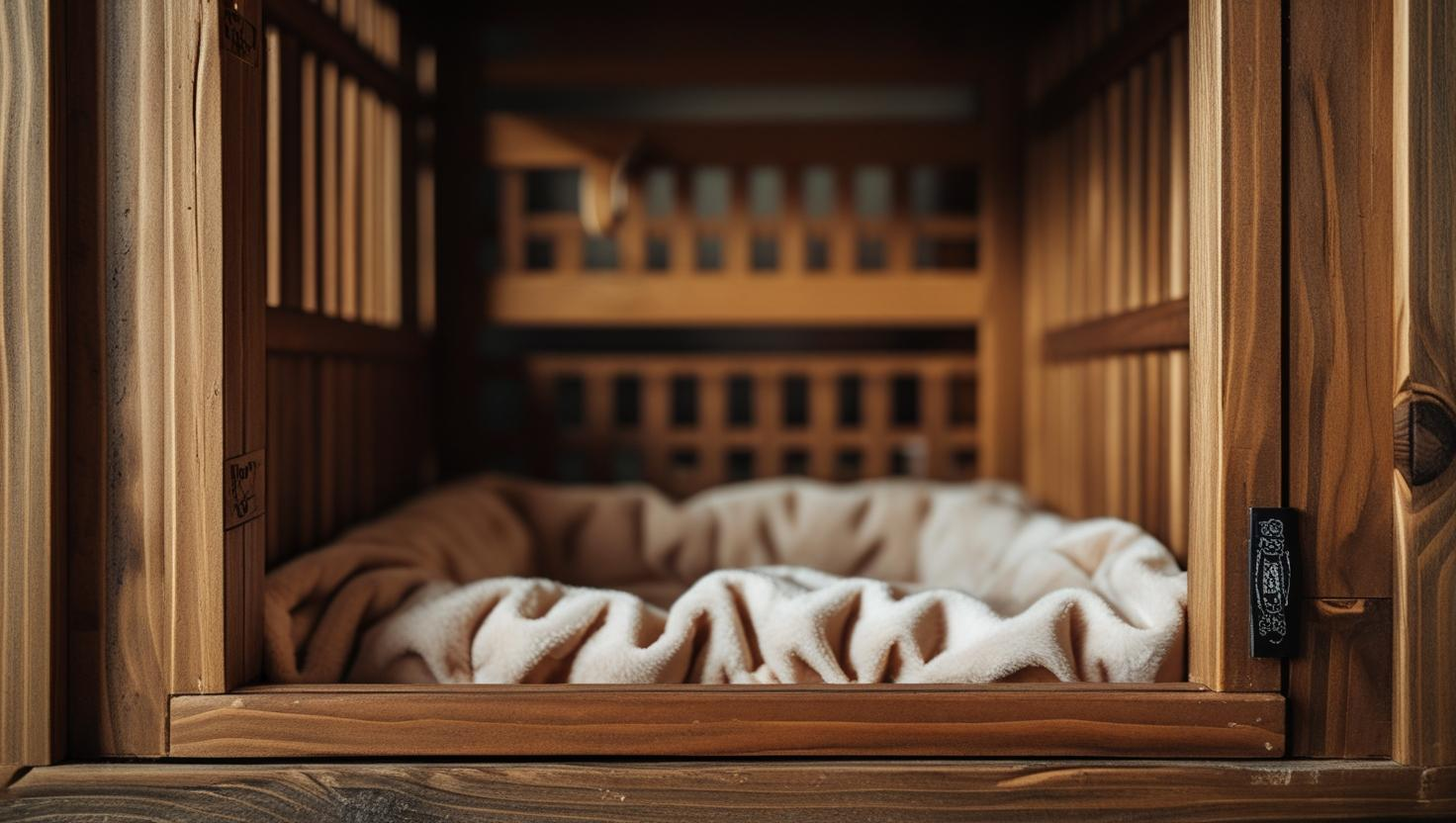
Introduction: How to Set Up an Anti-Anxiety Crate for Your Dog — The Ultimate Guide
If you’re reading this, chances are your dog struggles with anxiety, and you’re searching for a way to help them feel calm, safe, and comfortable. Anxiety in dogs is more common than many realize — whether it’s separation anxiety, fear of loud noises, travel stress, or general nervousness. One of the most effective tools you can use is a crate designed specifically to ease anxiety. But not just any crate setup will do, and we will go over anti-anxiety crate setup.
The way you set up and introduce a crate to your anxious dog can make the difference between creating a cozy sanctuary or a stressful trap. You might be wondering: How do I create an anti-anxiety crate setup that my dog actually loves? Should I use a crate at all if my dog is anxious? And most importantly, how do I make sure the crate helps instead of hurting my dog’s mental wellbeing?
Anit-Anxiety Crate Setup Guide
This guide will walk you through everything you need to know about anti-anxiety crate setup — from choosing the perfect crate size and style to adding calming touches inside the crate, introducing it in a positive way, and even using calming aids to boost your dog’s comfort we will also go over anti-anxiety crate setup for all dogs.
Learning Why Crates Are Useful
You’ll also learn why crates, when used properly, can become your dog’s safe haven — a little den-like retreat that taps into their natural instincts to find a cozy, secure place to relax. But we’ll be honest, crates are not a magic fix, and they aren’t the right choice for every dog or situation. The key is understanding your dog’s unique needs and going step-by-step to make the crate experience positive and stress-free.
Whether you’re dealing with mild nervousness or full-blown anxiety, this post is your go-to resource for creating a calming crate environment that helps your dog feel safe, loved, and at peace. Plus, we’ll link to trusted resources and products that have helped countless dog owners transform their anxious pups into relaxed companions.
Let’s dive in and start building that perfect anti-anxiety crate setup your dog deserves.
Why Use a Crate for Anxiety? Is It Right for Your Dog?
Crates can be a powerful tool for managing anxiety because they mimic the den-like spaces wild dogs instinctively seek for safety and comfort. When set up correctly, a dog anti-anxiety crate becomes a sanctuary where your dog can retreat from stressful stimuli like loud noises, guests, or the absence of you.
However, it’s crucial to note that crates aren’t a cure-all and aren’t suitable for every anxious dog. For some, a crate introduced improperly can increase stress or trigger negative associations. If your dog has severe anxiety or past trauma, crate training should be combined with positive reinforcement training, environmental enrichment, and possibly professional help.
To complement crate training, consider calming accessories like the ones described in our Best Calming Beds for Dogs with Separation Anxiety guide — a soft bed can turn the crate into a real cozy haven.
✅ Quick Tip:
Dogs love routine. Feeding your pup inside the crate daily makes it feel like a safe, normal space—not a punishment.
🧘 4. Fear Free Pets – Creating a Calming Space
URL: https://www.fearfreehappyhomes.com/crate-training-done-right/
✅ Use in your section about crate comfort items like bedding, toys, and cover usage.
“Fear Free Pets encourages owners to make crates a peaceful zone with soft textures, familiar scents, and enrichment tools.”
How to Choose the Right Crate Size for Your Dog
Picking the right crate size is crucial to create a safe and comfortable space for your dog’s anxiety relief. Here’s a simple way to measure and choose the perfect fit:
- Measure Your Dog’s Length:
From the tip of the nose to the base of the tail. - Measure Your Dog’s Height:
From the top of the head (or ears if they stand up) to the ground. - Add Extra Space:
Add 2 to 4 inches to both measurements so your dog can comfortably stand, turn around, and lie down inside the crate without feeling cramped. - Avoid Oversizing:
A crate that’s too large can feel unsafe and overwhelming to an anxious dog. The goal is a snug but comfortable fit.
Example:
If your dog is 24 inches long and 18 inches tall, look for a crate about 28-30 inches long and 20-22 inches tall.
How to Use a Crate Cover Safely to Help Calm Your Dog
Using a crate cover is a popular and effective way to create a cozy, den-like environment that helps reduce anxiety by blocking out excess light and visual distractions. However, it’s important to use crate covers properly to keep your dog safe and comfortable.
Here are some safety tips for using crate covers:
- Choose breathable materials: Use covers made from lightweight, breathable fabrics that allow proper airflow to prevent overheating and ensure your dog can breathe easily.
- Leave some ventilation: Don’t cover the crate completely on all sides. Leave at least one side or some mesh areas uncovered to allow fresh air circulation.
- Monitor temperature: Check the crate regularly, especially in warm weather, to make sure it doesn’t get too hot inside.
- Use the cover only when your dog is supervised: If you leave your dog crated for long periods or when you’re not home, consider removing the cover or ensuring proper ventilation and safety.
- Secure the cover properly: Make sure the cover is fitted so it doesn’t slip or fall inside the crate where your dog might chew or get tangled.
Crate covers are fantastic for helping dogs feel more secure, but safety and comfort should always come first.
Tips for First-Time Crate Users: Setting Your Dog Up for Success
Introducing your dog to a crate for anxiety relief requires patience and a gentle approach. Here are some helpful tips for first-time crate users to create a positive experience:
- Place the crate in a family area: Keep the crate where your family spends time — like the living room — so your dog doesn’t feel isolated. This helps reduce anxiety and encourages voluntary crate visits.
- Keep the crate door open at first: Allow your dog to explore the crate freely without pressure. Toss treats, toys, or meals inside to make it inviting.
- Use positive reinforcement: Praise and reward your dog when they enter or stay calmly in the crate to build positive associations.
- Keep crate sessions short initially: Start with just a few minutes and gradually increase the time as your dog becomes comfortable.
- Never force or punish: Forcing your dog inside or using the crate for punishment can create fear and worsen anxiety.
- Maintain a consistent routine: Regular crate time helps your dog anticipate and feel secure with their new safe space.
- Be patient: Every dog adjusts at their own pace. Celebrate small wins and don’t rush the process.
Following these tips can help your dog view the crate as a cozy retreat — not a place of confinement — setting the foundation for long-term success.
🐾 2. ASPCA – Dog Behavior Tips: Fear & Anxiety
URL: https://www.aspca.org/pet-care/dog-care/common-dog-behavior-issues/fear-anxiety
✅ Use in your section about dog anxiety signs and symptoms.
“According to the ASPCA, dogs may display anxiety through pacing, panting, barking, and even destructive behavior — all of which can be helped with a calming crate environment.”
Signs Your Dog Is Ready for Crate Time: How to Know When They Feel Comfortable
Crate training an anxious dog is a gradual process, and recognizing when your dog is genuinely comfortable with their crate is key to successful setup and anxiety relief. Here are important signs that show your dog is ready for more crate time and feels safe inside:
1. Voluntary Entry
Your dog starts going into the crate on their own without coaxing or treats. They may even nap or relax inside it voluntarily — a big indicator they see the crate as a safe place.
2. Calm Behavior Inside the Crate
Once inside, your dog stays relaxed, lying down quietly or chewing on a toy without pacing, whining, barking, or scratching the crate door.
3. No Signs of Stress When Approaching the Crate
Your dog doesn’t show hesitation, fear, or avoidance when you bring out the crate or open the door. Instead, they may wag their tail, show curiosity, or calmly enter.
4. Comfortable with the Door Closed
Your dog can tolerate the crate door being closed for short periods without signs of panic or distress such as barking, whining, or trying to escape.
5. Willingness to Stay When You’re Not Present
Your dog remains calm in the crate even when you step out of the room briefly. This indicates trust and a sense of security in the crate environment.
6. Positive Reaction to Crate-Related Cues
When you say “crate” or gesture toward the crate, your dog responds positively, showing eagerness or calm acceptance.
Troubleshooting Common Crate-Related Anxiety Behaviors: What to Do When Your Dog Struggles
Even with the best crate setup, some dogs may initially show signs of anxiety or distress related to crate use. Recognizing these behaviors and knowing how to respond is crucial to creating a positive experience and avoiding setbacks.
Common Signs of Crate-Related Anxiety
- Excessive barking or whining: Your dog may vocalize loudly to express stress or discomfort.
- Pacing or scratching: Repeated movement or attempts to escape can indicate frustration or fear.
- Drooling or panting: Physical signs of anxiety, especially if they occur only in the crate.
- Refusal to enter the crate: Avoidance or running away when the crate is introduced.
- Destructive behavior: Chewing the crate or bedding excessively.
- Accidents inside the crate: Indicating stress or inability to hold it due to anxiety.
How to Address These Behaviors
- Go Back to Basics:
Return to short, positive crate sessions with the door open. Use high-value treats, toys, and praise to build good associations. - Gradual Desensitization:
Slowly increase crate time, starting from just seconds or minutes, and reward calm behavior. - Create Positive Associations Outside the Crate:
Feed your dog meals near or inside the crate and give treats for simply approaching it. - Use Calming Aids:
Consider anxiety wraps, calming music, or natural supplements as part of your crate routine. - Avoid Punishment:
Never use the crate as punishment or force your dog inside. This can increase fear and resistance. - Environmental Management:
Place the crate in a quiet area with minimal distractions. Cover the crate partially to create a cozy den-like space. - Consult a Professional:
If anxiety persists or worsens, seek help from a certified dog trainer or veterinary behaviorist who can tailor a plan for your dog’s specific needs.
Remember, crate training for anxious dogs requires time, patience, and empathy. Most dogs improve significantly with consistent, positive training and a comforting crate environment.
Step 1: Choose the Right Crate for Anxiety
- Size matters: Your dog needs enough room to stand, turn around, and lie down comfortably but not so much space that the crate feels like a cavernous, overwhelming area.
- Material choice: Wire crates provide excellent ventilation and visibility, which can be comforting for some dogs but overstimulating for others. Soft-sided crates offer a cozy feel but aren’t suited for dogs who chew or try to escape.
- Crate covers: Use a breathable crate cover or blanket to create a den-like environment by limiting visual stimuli and external distractions.
If you want specific product suggestions, check out our 5 Best Travel Carriers for Small Dogs — some of these doubles as calming crates for anxious pups.
Step 2: Make the Crate Cozy and Calming Inside
- Comfortable bedding: A soft, orthopedic, or memory foam bed adds much-needed comfort. Beds with raised edges can help your dog feel more secure.
- Familiar scents and items: Place your dog’s favorite toys or a blanket with your scent inside the crate to encourage a sense of familiarity.
- Calming scents: Dog-safe lavender or chamomile sprays can have a soothing effect. Use these lightly on bedding or near the crate.
- Calming music or white noise: Background sounds can drown out external noises that might trigger anxiety.
For a deep dive on calming beds, check our Calming Beds for Dogs with Separation Anxiety post.
Step 3: Introduce the Crate Gradually and Positively
- Start by leaving the crate door open and placing tasty treats or meals inside.
- Never force your dog inside; instead, encourage exploration with praise and rewards.
- Gradually increase crate time, always associating it with positive experiences.
- Avoid using the crate as punishment — negative associations defeat the purpose.
Step 4: Use Calming Aids to Enhance the Setup
- Anxiety wraps or vests: Products like Thundershirts provide gentle, comforting pressure that can reduce stress.
- Natural supplements: Consult your vet about options like CBD oil, L-theanine, or melatonin.
- Toys and puzzles: Interactive toys can keep your dog mentally engaged while crated.
Our article on the Best Anxiety Vests for Dogs is a great place to find calming wraps that work.
Step 5: Monitor Your Dog and Adjust as Needed
Watch for signs of stress such as excessive barking, chewing, or refusal to enter the crate. If these occur, consider altering your setup, shortening crate times, or seeking professional advice.
Here’s a clear, well-structured table summarizing Best Anti-Anxiety Crates with their key features, pros, and cons. This will help your readers quickly compare options for setting up their dog’s calming crate environment. They will come with instructions on how to set up your anti-anxiety crate for setup.
Crate Model | Type | Key Features | Pros | Cons |
|---|---|---|---|---|
| MidWest iCrate Folding Wire Crate | Wire | Multiple sizes, easy fold & transport, optional cover available | Durable, excellent ventilation, versatile, easy to clean | Can feel less cozy, needs cover for den-like feel |
| EliteField Soft-Sided Dog Crate | Soft-sided | Lightweight, foldable, mesh panels for airflow | Portable, cozy, good for travel and indoor use | Not chew-proof, less durable for escape artists |
| Frisco Heavy-Duty Double Door Wire Crate | Wire | Double door access, heavy-duty construction | Strong & secure, good airflow, easy to cover | Can be noisy, not great for dogs needing extra padding |
| Petnation Port-A-Crate | Soft-sided | Easy setup, breathable mesh, includes carry bag | Highly portable, cozy, ideal for anxious dogs on the go | Less durable, not for strong chewers |
| MidWest Deluxe Plastic Dog Crate | Plastic (Hard) | Solid plastic panels, secure door, ventilation | Enclosed & den-like, easy to clean, ideal for travel | Less airflow than wire, heavier and bulkier |
How to Use This Table:
- Choose a wire crate like the MidWest iCrate if you want durability and ventilation but be sure to add a crate cover to create a cozy, calming environment.
- For a soft, cozy den feel, the EliteField Soft-Sided Crate is a great pick, especially for travel or calm indoor use, but avoid if your dog chews destructively.
- The plastic crates offer enclosed safety for dogs who prefer a more cave-like den and are great for travel but may have less airflow.
Frequently Asked Questions (FAQs)
Q: How long should my dog stay in the crate?
Start with short durations of 5-10 minutes and increase gradually. Adult dogs should not be crated more than 3-4 hours at a time during the day.
Q: Should I crate my dog when I leave?
If your dog is comfortable and calm in the crate, yes—it provides a safe space and prevents destructive behavior.
Q: Can crate training cure anxiety?
Crate training is a management tool that helps dogs feel secure but works best combined with training, exercise, and enrichment.
🐶 1. American Kennel Club (AKC) – Crate Training Basics
URL: https://www.akc.org/expert-advice/training/how-to-crate-train-your-dog-in-9-easy-steps/
✅ Use when explaining why crate training helps reduce anxiety.
“The AKC emphasizes crate training as a safe and effective way to manage anxiety and build structure for your dog.”
🐾 Top Anti-Anxiety Dog Crates on Amazon
| Crate Model | Type | Key Features | Pros | Cons | Buy Now |
|---|---|---|---|---|---|
| Impact Dog Crates High Anxiety Dog Crate | Heavy-Duty Metal | Escape-proof design, powder-coated aluminum, zinc-plated steel latch, 10-year warranty | Extremely durable, designed for anxious dogs, easy to clean, collapsible for storage | High price point, heavy and bulky | Buy Now |
| 44 Inch Indestructible Heavy Duty Dog Crate | Heavy-Duty Metal | Reinforced steel construction, lockable wheels, removable tray, double doors | Affordable, sturdy build, suitable for large dogs, good ventilation | Assembly required, may not be suitable for extreme chewers | Buy Now |
| HIWOKK 48/42/38 Inch Heavy Duty Indestructible Dog Crate | Heavy-Duty Metal | Indestructible steel frame, lockable doors, removable tray, suitable for large breeds | Budget-friendly, durable, easy to assemble, spacious interior | Lacks collapsible feature, not ideal for travel | Buy Now |
Helpful Related Articles on TheDoggoLife.com
- How Often Should I Bathe My Dog? — Proper grooming helps reduce discomfort and stress.
- Best Dog Water Bottles for Hiking & Travel — Keeping your dog hydrated supports overall health and calmness.
- Top 5 Toothbrush Kits for Dogs That Hate Brushing — Healthy teeth contribute to better wellbeing and reduced anxiety.
Affiliate Disclaimer
This post contains affiliate links. If you purchase products through these links, we may earn a small commission at no extra cost to you. This supports our website and helps us continue providing helpful dog care content.
Final Thoughts
An anti-anxiety crate setup thoughtfully and introduced with patience, can be a sanctuary where your dog feels safe, loved, and relaxed. The key is choosing the right crate, making it invite, and respecting your dog’s pace in learning to love their little den.
If your dog’s anxiety remains severe, don’t hesitate to consult a veterinarian or a certified dog behavior specialist for personalized guidance.
We’d Love to Hear From You!
Have you already done this, anti-anxiety crate setup? What worked best to help your pup feel calm and safe? Or do you have questions about crate training and anxiety? Share your tips, experiences, or questions in the comments below — your insights could make a big difference for other dog owners on the same journey!