
Intro
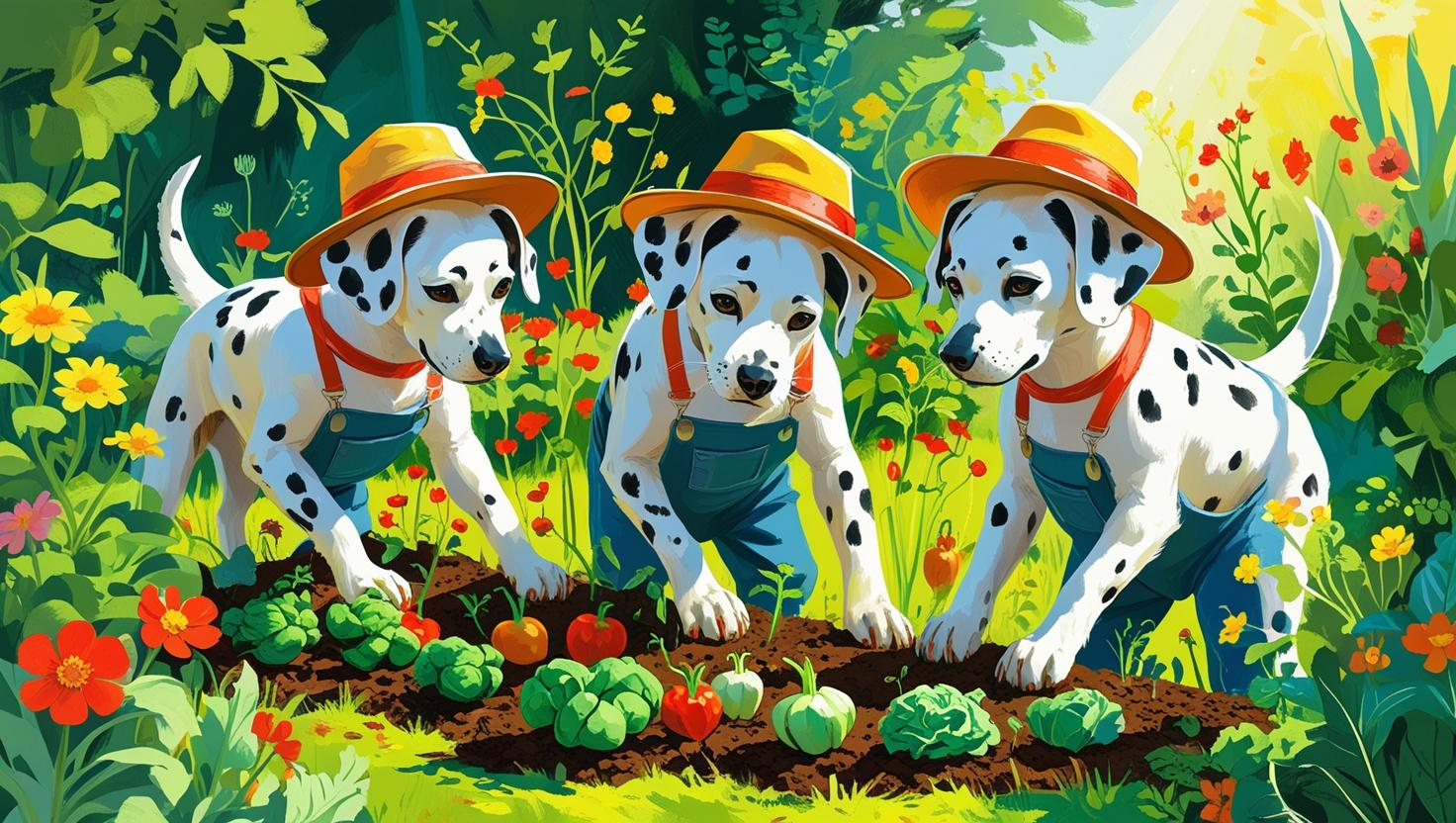
Hey there, dog lovers! 🐶 If you’ve ever dreamed of a backyard that’s both beautiful and safe for your furry friends, you’re in the right spot. A dog-friendly garden isn’t just about picking the right plants—it’s about blending safety, style, and practicality so your pup can explore freely without you worrying.
Before we dig in, a quick heads-up: while all the plants listed here are generally safe for dogs, every pup is different. Always supervise your dog outdoors and check with your vet if you’re unsure about any plant. Also, some links in this guide are affiliate links, which help me keep creating helpful content like this at no extra cost to you!
Table of Contents
🐾 Dog-Safe Plants for Your Yard
Creating a dog-friendly garden starts with choosing non-toxic plants that are safe for your pup. These plants are not only beautiful but also give you peace of mind knowing your furry friend can explore without risk.
Here are some top choices:
| Plant | Type | Safety | Notes |
|---|---|---|---|
| Lavender | Herb | Safe | Calming scent, pest repellent |
| Rosemary | Herb | Safe | Hardy, culinary use, drought-tolerant |
| Marigolds | Flower | Safe | Bright blooms, naturally deter pests |
| Snapdragons | Flower | Safe | Adds vertical interest, non-toxic |
| Zinnias | Flower | Safe | Vibrant colors, pollinator-friendly |
Tips for a Dog-Friendly Plant Setup:
- Even safe plants can be sensitive to chewing—use raised beds or hanging baskets to protect delicate plants.
- Create separate play zones for dogs with durable ground cover to reduce damage.
- Rotate plants seasonally to keep your garden vibrant and healthy.
🌿 Keyword-rich note: Using these safe plants for dogs, you can create a dog-friendly garden that blends pet-safe landscaping with style.
🐾 Creative Dog-Friendly Landscaping Ideas
Designing a backyard that’s safe for your pup doesn’t mean sacrificing style. Here are some creative ways to make your yard both functional and beautiful:
1. Durable Ground Covers
Use hardy plants like Blue Fescue or Dymondia that can handle paw traffic. These are perfect for areas where your dog runs and plays often.
Pros ✅
- Pet-Friendly: Can handle foot traffic and rough play without being destroyed.
- Low Maintenance: Many varieties, like Blue Fescue or Dymondia, require minimal care.
- Erosion Control: Helps stabilize soil and prevent muddy spots in high-traffic areas.
- Aesthetic Appeal: Adds texture, color, and visual interest to your yard.
- Safety: Non-toxic options keep your garden safe for dogs.
Cons ❌
- Limited Plant Variety: Not all ornamental plants are suitable as durable ground cover.
- Potential Chewing: Some dogs may still nibble on plants, which can damage them over time.
- Cost: High-quality ground cover or installation can be more expensive upfront.
- Sun/Shade Requirements: Some ground covers need specific light conditions to thrive.
- Seasonal Changes: Some varieties may brown or thin during certain seasons, requiring periodic replacement.
2. Raised Beds & Planters
Protect delicate flowers and herbs by using raised garden beds or hanging planters. This keeps your pet-safe plants out of reach while still adding vertical interest to your garden.
Pros ✅
- Protects Plants: Keeps delicate flowers and herbs out of reach from curious pups.
- Better Soil Control: You can manage soil quality, drainage, and nutrients easily.
- Easier Maintenance: Reduces bending and weeding, making gardening less strenuous.
- Pest Reduction: Elevated beds can help deter some pests and critters.
- Aesthetic Appeal: Adds structure and visual interest to your backyard layout.
Cons ❌
- Cost: Quality raised beds can be pricey, especially larger or custom designs.
- Space Requirements: Can take up more yard space than traditional in-ground planting.
- Material Considerations: Some wood types may rot over time or need treatment; avoid treated wood that’s toxic to dogs.
- Limited Plant Variety: Certain deep-rooted plants may not thrive in shallow raised beds.
- Installation Effort: Requires initial setup, which can be labor-intensive depending on size and design.
3. Designated Play Areas
Create a dedicated play zone with mulch, turf, or gravel. This helps reduce wear and tear on your plants while giving your pup a safe spot to run and dig.
Pros ✅
- Protects Plants: Keeps dogs away from delicate flowers, herbs, and shrubs.
- Reduces Damage: Helps prevent digging, trampling, and muddy spots in your garden.
- Safety: Provides a controlled space for active play, minimizing accidents.
- Easy Maintenance: Concentrates wear and tear to a single area, making cleanup simpler.
- Encourages Exercise: Gives dogs a dedicated space to run, jump, and play freely.
Cons ❌
- Space Requirement: Needs a section of your yard to be allocated solely for play.
- Cost: Installing turf, mulch, or fencing may require additional investment.
- Ongoing Upkeep: Play areas may still need regular maintenance (e.g., leveling turf, replacing mulch).
- Aesthetic Trade-Off: Some designs may visually stand out or not blend with the rest of the garden.
- Limited Plant Interaction: Dogs may not interact with plants in these areas, which could limit the natural feel of your yard.
4. Shade & Shelter
Incorporate trees, pergolas, or shade sails. Your dog will appreciate a cool spot on sunny days, and your plants benefit from some natural protection.
Pros ✅
- Protects Dogs: Provides a cool, safe spot on hot days to prevent overheating.
- Protects Plants: Reduces sun stress on delicate plants and prevents soil from drying out too quickly.
- Enhances Comfort: Makes your backyard more enjoyable for both dogs and humans.
- Aesthetic Appeal: Trees, pergolas, or shade sails can add structure and beauty to your garden.
- Versatility: Can double as a resting area, outdoor dining spot, or garden feature.
Cons ❌
- Space Requirement: Large trees or structures need sufficient yard space.
- Cost: Building pergolas, shade sails, or planting large trees can be expensive.
- Maintenance: Trees may require pruning, and structures may need periodic care.
- Light Limitation: Too much shade can limit sunlight for certain plants.
- Installation Effort: Some shade solutions require planning, labor, or professional installation.
5. Pathways & Navigation
Install gravel paths or stepping stones to guide dogs through the garden without disturbing delicate plant beds. This also adds a stylish touch to your dog-friendly landscaping.
Pros ✅
- Protects Plants: Guides dogs away from delicate flower beds and garden areas.
- Reduces Mud & Erosion: Keeps high-traffic areas clean and prevents soil compaction.
- Aesthetic Appeal: Adds structure, visual interest, and a polished look to your yard.
- Safety: Provides clear routes for dogs and humans, reducing tripping hazards.
- Easy Maintenance: Makes mowing, weeding, and garden care simpler and more organized.
Cons ❌
- Installation Cost: Creating gravel, stone, or paved pathways can be expensive.
- Space Usage: Pathways take up yard area that could otherwise be planted or open.
- Ongoing Maintenance: Gravel may shift, weeds can grow through cracks, and stones may need repositioning.
- Slippery Surfaces: Certain materials can become slick when wet, posing a minor safety risk.
- Design Limitations: Pathway layout must fit around existing plants, structures, and yard shape.
🌿 By combining these ideas, you can create a backyard that’s both safe for dogs and visually stunning. Your garden will thrive, and so will your pup!
🐾 Recommended Products & Tools
Creating a dog-friendly garden is easier with the right tools and products. Here’s a quick comparison of some top picks to help you design a safe, beautiful backyard for your pup:
| Product | Type | Features | Price | Link |
|---|---|---|---|---|
| Dog-Safe Plant Kit | Kit | 10 non-toxic plants, easy care | $39.99 | Check Price |
| Raised Garden Bed | Bed | Protects plants, durable wood construction | $79.99 | Check Price |
| Pet-Friendly Fertilizer | Fertilizer | Non-toxic, chemical-free | $24.99 | Check Price |
| Garden Fencing | Fence | Keeps dogs away from plants, easy setup | $59.99 | Check Price |
💡 Pro Tip: Using raised beds and pet-safe fertilizers not only protects your plants but also ensures your backyard stays safe for your dog.
🌟 Top Pick: Raised Garden Bed

Top Pick: Best Choice Products 72x24x30in Raised Garden Bed
This spacious raised garden bed is perfect for creating a dog-friendly garden while protecting your plants. Its durable construction and deep planting space make it ideal for flowers, herbs, and vegetables.
- ✅ Dimensions: 72 x 24 x 30 inches, perfect for larger yards
- ✅ Durable and weather-resistant materials
- ✅ Keeps plants safe from curious pups
- ✅ Easy assembly with included hardware
🌿 This kit is our top choice because it combines ease of use, safety for dogs, and a variety of vibrant, non-toxic plants that make any backyard pop.
🐾 Conclusion
Creating a dog-friendly garden is all about balance—choosing safe, non-toxic plants, designing durable play areas, and adding touches that make your backyard both beautiful and practical. With the right planning, you can have a space where your pup can explore safely while you enjoy a vibrant, thriving garden.
Don’t forget to check out our big, bold Dog Garden Silo link below for more tips, plant ideas, and detailed guides to make your backyard a true canine paradise!