
Intro
Training your dog can be a rewarding journey, but finding the right collar or harness is key to making it smooth and stress-free. Whether you’re dealing with pulling, recall issues, or just want a safer way to walk your pup, the perfect training gear can make all the difference.
In this guide, we’ll walk you through the best dog training collars and harnesses available in 2025 — breaking down the options, safety tips, and expert advice to help you pick what works best for your furry friend.
Affiliate Disclaimer:
Some of the links on this page are affiliate links. This means if you choose to buy through them, we may earn a small commission at no extra cost to you. We only recommend products we trust and believe will genuinely help you and your dog.
Ready to find the perfect fit for your dog’s training needs? Let’s dive in!
🐾 Table of Contents
- 🐾 Why Training Collars and Harnesses Matter
- 🐾 Types of Training Collars
- 🐾 Types of Training Harnesses
- 🐾 How to Choose the Right Collar or Harness
- 🐾 Measuring Your Dog for the Perfect Fit
- 🐾 Training Collar and Harness Safety Tips
- 🐾 Best Dog Training Collars & Harnesses Reviewed
- 🐾 Conclusion & Final Recommendations
🐾 Why Training Collars and Harnesses Matter
Training your dog isn’t just about teaching tricks — it’s about building a strong bond and ensuring safety during every walk and interaction. One of the biggest keys to successful training is the gear you use, especially collars and harnesses designed specifically for training purposes.
Why the Right Training Gear Changes Everything
A proper dog training collar or training harness gives you control, comfort, and communication — all without causing stress or harm to your furry friend. Without the right gear, common challenges like leash pulling, stubbornness, or lack of recall can quickly turn frustrating for both dog and owner.
- Better Control: Training collars and harnesses are built to gently guide your dog, allowing you to correct unwanted behaviors with minimal force.
- Comfort and Safety: Unlike regular collars, training gear is designed to distribute pressure safely or use humane cues that help your dog learn faster and stay comfortable.
- Training Versatility: Different collars and harnesses serve different purposes — from no-pull harnesses that reduce pulling, to electronic collars that help with recall or boundary training.
- Prevent Injuries: Using the wrong collar or harness can cause neck strain, skin irritation, or worse. Choosing the right gear means avoiding these common risks.
- Confidence Boost: When your dog feels comfortable and you have the right tools, training sessions become more positive, effective, and rewarding.
Common Training Challenges Solved by the Right Collar or Harness
- Leash Pulling: One of the most common problems, especially with strong or energetic dogs. No-pull harnesses or front-clip harnesses help redirect your dog’s momentum and discourage pulling.
- Recall Training: For dogs who bolt or ignore commands, electronic collars with vibration or tone functions can assist with safe, consistent recall cues.
- Behavior Correction: Prong collars and martingale collars provide controlled pressure that mimics a mother dog’s gentle correction (used properly), helping dogs understand boundaries.
- Active & Working Dogs: Tactical harnesses offer durability and attachment points for gear, making training safer and more practical in high-energy or working scenarios.
- Size & Breed Considerations: Small breeds, large breeds, and sensitive dogs all require different training tools tailored to their body type and temperament.
Why You Should Invest in 2025’s Best Training Collars and Harnesses
Training gear technology and designs evolve every year. In 2025, you’ll find new materials, ergonomic designs, and smart features like GPS tracking and health monitoring built into some collars.
Investing in up-to-date, quality training collars and harnesses means:
- Better Durability: Longer-lasting materials that can handle energetic pups without wear and tear.
- Enhanced Comfort: Breathable, padded harnesses that prevent chafing or rubbing.
- Smart Features: GPS collars that track your dog’s location, combined with training functions to keep your pup safe.
- Improved Safety Standards: Products designed and tested to meet higher safety standards, reducing injury risks.
- Better Fit & Adjustability: Easier ways to measure and adjust gear for the perfect fit, ensuring your dog’s comfort.
Quick Summary: What to Look for in Training Gear
- Fit: Snug but not too tight — measure your dog carefully
- Material: Durable, lightweight, and comfortable
- Purpose: Match gear to your dog’s training needs (e.g., no-pull, recall, behavior correction)
- Safety: Avoid gear that risks injury or discomfort
- Reviews: Trust brands known for quality and positive feedback
The right training collar or harness makes all the difference between stressful walks and enjoyable training sessions. This guide will help you cut through the clutter and find what truly works for your dog in 2025.
🐾 Types of Training Collars
Choosing the right training collar can be confusing because there are many styles, each designed for different training goals and dog personalities. Let’s break down the most popular types of training collars you’ll find in 2025 — what they do, who they’re best for, and important safety tips.
🐾 Martingale Collars
Martingale collars are a favorite among trainers and owners of dogs with narrow heads like Greyhounds or Whippets. They offer more control than a standard flat collar but without the choking risk of a slip collar.
- How they work: The collar tightens slightly when your dog pulls, preventing them from slipping out, but it won’t choke or cause pain if sized correctly.
- Best for: Dogs prone to slipping out of collars, sensitive dogs, and gentle correction during walks.
- Pros: Humane, adjustable, great for dogs with slim heads.
- Cons: Not for heavy correction; improper sizing can cause discomfort.
🐾 Prong Collars
Prong collars (also called pinch collars) have metal prongs that apply pressure around the neck when your dog pulls.
- How they work: They mimic the natural correction a dog might get from another dog’s bite but must be used carefully.
- Best for: Experienced trainers working with strong or stubborn dogs.
- Pros: Effective for strong pullers when used correctly.
- Cons: Can cause injury or fear if misused; controversial among many trainers and vets.
🐾 Electronic (E-) Collars
E-collars deliver mild static stimulation, vibration, or tone to assist with training from a distance.
- How they work: Controlled remotely, they provide cues to reinforce commands like recall or boundary training.
- Best for: Outdoor training, off-leash recall, and behavior correction with professional guidance.
- Pros: Versatile, effective for distance training.
- Cons: Risk of misuse; requires proper training and understanding.
🐾 GPS Training Collars
Newer to the market, these collars combine GPS tracking with training functions like vibration and tone.
- How they work: Help locate your dog if lost while also providing gentle training signals.
- Best for: Active dogs who spend time outdoors, hunters, or those in rural areas.
- Pros: Added safety with location tracking, multi-functionality.
- Cons: Typically higher price point, requires charging and sometimes subscriptions.
🐾 Types of Training Harnesses
Training harnesses are designed to give you control and comfort during walks and training sessions, especially for dogs who pull or are still learning leash manners. Choosing the right type of harness can make a huge difference in your dog’s behavior and comfort.
🐾 No-Pull Harnesses
No-pull harnesses are some of the most popular training harnesses in 2025. They help discourage pulling by redirecting your dog’s momentum without causing discomfort.
- How they work: Most no-pull harnesses have a front leash attachment that turns your dog toward you when they try to pull, teaching them to walk calmly beside you.
- Best for: Dogs that pull hard on the leash, puppies, and dogs in training.
- Pros: Humane and effective, reduces pulling naturally, easy to use.
- Cons: Some dogs adapt and pull harder; sizing is crucial to avoid chafing.
🐾 Tactical Harnesses
Tactical harnesses are built tough for working dogs, trainers, and owners who want extra durability and features.
- How they work: Made from heavy-duty materials with multiple attachment points and handles, these harnesses offer superior control and functionality.
- Best for: Police dogs, service dogs, hiking dogs, and active working breeds.
- Pros: Extremely durable, versatile, and comfortable for active dogs.
- Cons: Bulkier and more expensive than regular harnesses.
🐾 How to Choose the Right Collar or Harness
Picking the right training collar or harness isn’t one-size-fits-all — it depends on your dog’s size, behavior, training goals, and comfort. Making the right choice can save you frustration and keep your dog safe.
Consider Your Dog’s Size and Breed
- Small dogs: Lightweight, padded harnesses or martingale collars work best to prevent neck strain. Avoid heavy or bulky gear.
- Medium to large dogs: You have more options including prong collars or tactical harnesses if training demands it, but always focus on comfort and fit.
- Strong pullers: Look for no-pull harnesses with front-clip attachments or prong collars used carefully by experienced owners.
Think About Your Training Goals
- Leash pulling: No-pull harnesses and front-clip harnesses reduce pulling without choking.
- Recall training: Electronic collars with vibration or tone can help reinforce off-leash commands safely.
- Behavior correction: Martingale and prong collars provide gentle to firm control but require careful use and sizing.
- Outdoor or working dogs: Tactical harnesses offer durability and extra control features for active dogs.
Prioritize Comfort and Safety
- Make sure collars and harnesses are adjustable to fit snugly but not too tight.
- Avoid collars that put pressure on the trachea for extended periods.
- Choose breathable materials, especially for harnesses your dog will wear often.
- Check for padded straps and smooth edges to prevent chafing or irritation.
How to Assess Fit
- Two-finger rule: You should be able to fit two fingers comfortably under the collar or harness.
- Harnesses should sit securely without slipping or rubbing.
- Measure your dog carefully — chest girth, neck circumference, and sometimes length — before buying.
Choosing the right collar or harness is the foundation of effective and safe dog training. Next, let’s cover how to properly measure your dog to get the perfect fit.
🐾 Measuring Your Dog for the Perfect Fit
Getting the right size collar or harness is crucial for your dog’s comfort and safety. A poorly fitting collar can slip off or cause discomfort, while an ill-fitting harness can chafe or restrict movement.
What You’ll Need
- A flexible measuring tape (or a piece of string and a ruler)
- A notepad or your phone to jot down measurements
- Your dog, ideally calm and standing
Key Measurements to Take
- Neck Circumference
Measure around the base of your dog’s neck, where the collar usually sits — just above the shoulders and below the ears. Make sure the tape is snug but not tight. - Chest Girth (Chest Circumference)
Wrap the tape around the widest part of your dog’s chest, just behind the front legs. This measurement is the most important for harness sizing. - Length (Optional for Some Harnesses)
Some harnesses require length measurements from the base of the neck to the chest or back. Check the manufacturer’s sizing guide.
Tips for Accurate Measurement
- Keep the measuring tape flat against your dog’s fur, not twisted.
- Allow room for comfort — you should be able to fit two fingers between the tape and your dog’s body.
- Measure twice to be sure!
- If your dog is between sizes, it’s usually safer to size up for comfort.
How to Use Your Measurements
- Compare your numbers with the product’s sizing chart — every brand is a bit different.
- If shopping online, read reviews for sizing tips and whether a collar or harness runs large or small.
- Adjustable collars and harnesses offer flexibility but still need accurate base measurements.
Getting the right fit will make training safer and more enjoyable for you and your dog. Next, we’ll cover important safety tips for using training collars and harnesses effectively.
🐾 Training Collar and Harness Safety Tips
Using training collars and harnesses safely is just as important as choosing the right one. Proper use helps prevent injuries, discomfort, and keeps your dog happy during training sessions.
General Safety Guidelines
- Never leave training collars or harnesses on unattended: Collars, especially prong or electronic types, should only be worn during training or walks.
- Regularly check for wear and tear: Replace any gear that’s frayed, cracked, or damaged to avoid accidents.
- Avoid tight collars: You should always be able to fit two fingers comfortably under the collar or harness.
- Supervise new gear: Introduce collars and harnesses gradually, especially if your dog isn’t used to them.
- Don’t rely on correction collars alone: Pair gear with positive reinforcement training for best results.
Specific Tips by Collar Type
- Martingale Collars: Ensure proper sizing to avoid choking. The collar should tighten slightly but not restrict breathing.
- Prong Collars: Use only under the guidance of a professional trainer. Never jerk or yank harshly — the correction should be firm but gentle.
- Electronic Collars: Start with the lowest stimulation level. Use vibration or tone settings before static shock if possible. Never use as punishment.
- No-Pull Harnesses: Check straps regularly to prevent rubbing or chafing. Adjust fit as your dog grows or gains muscle.
Harness Safety Tips
- Proper fit: Ill-fitting harnesses can cause chafing or restrict movement.
- Avoid harnesses for extended periods: Some harnesses can cause skin irritation if left on too long, especially in hot weather.
- Handle placement: Use the handle on tactical or no-pull harnesses for better control in tricky situations, but avoid pulling hard.
Watch for Signs of Discomfort or Injury
- Excessive scratching or rubbing at collar/harness area
- Redness, hair loss, or sores on the skin
- Changes in behavior like reluctance to walk or sudden agitation
If you notice any of these signs, remove the gear and consult your vet or trainer.
Training collars and harnesses are fantastic tools when used safely and correctly. Next, we can dive into the detailed product reviews section to help you pick the best gear for your dog.
🐾 Best Dog Training Collars & Harnesses Reviewed
With so many training collars and harnesses on the market, it can be overwhelming to find the right one for your dog. That’s why we’ve tested and researched the best options available in 2025 — covering everything from no-pull harnesses to advanced GPS collars.
Each product below includes key features, pros and cons, sizing tips, and what type of dog it’s best suited for. Whether you’re training a puppy, working with a stubborn puller, or need rugged gear for an active working dog, you’ll find options here to match your needs.
🐾 Best No-Pull Harnesses
No-pull harnesses are essential for reducing leash pulling and making walks more enjoyable. Here are some top picks for 2025, carefully chosen for comfort, durability, and effectiveness.
1. Ruffwear Front Range Harness

- Features: Front and back leash attachment points, padded chest and belly panels, durable materials
- Best for: Medium to large dogs who pull or need versatile daily harnesses
- Pros: Comfortable fit, great adjustability, easy to put on/off
- Cons: Slightly higher price point
- Check price on Amazon
2. PetSafe Easy Walk Harness

- Features: Front leash clip for gentle redirection, no-pull design, adjustable straps
- Best for: Small to medium dogs new to training or pulling correction
- Pros: Affordable, effective for leash training, lightweight
- Cons: Less padding, not ideal for long hikes
- Check price on Amazon
3. Kurgo Tru-Fit Smart Harness
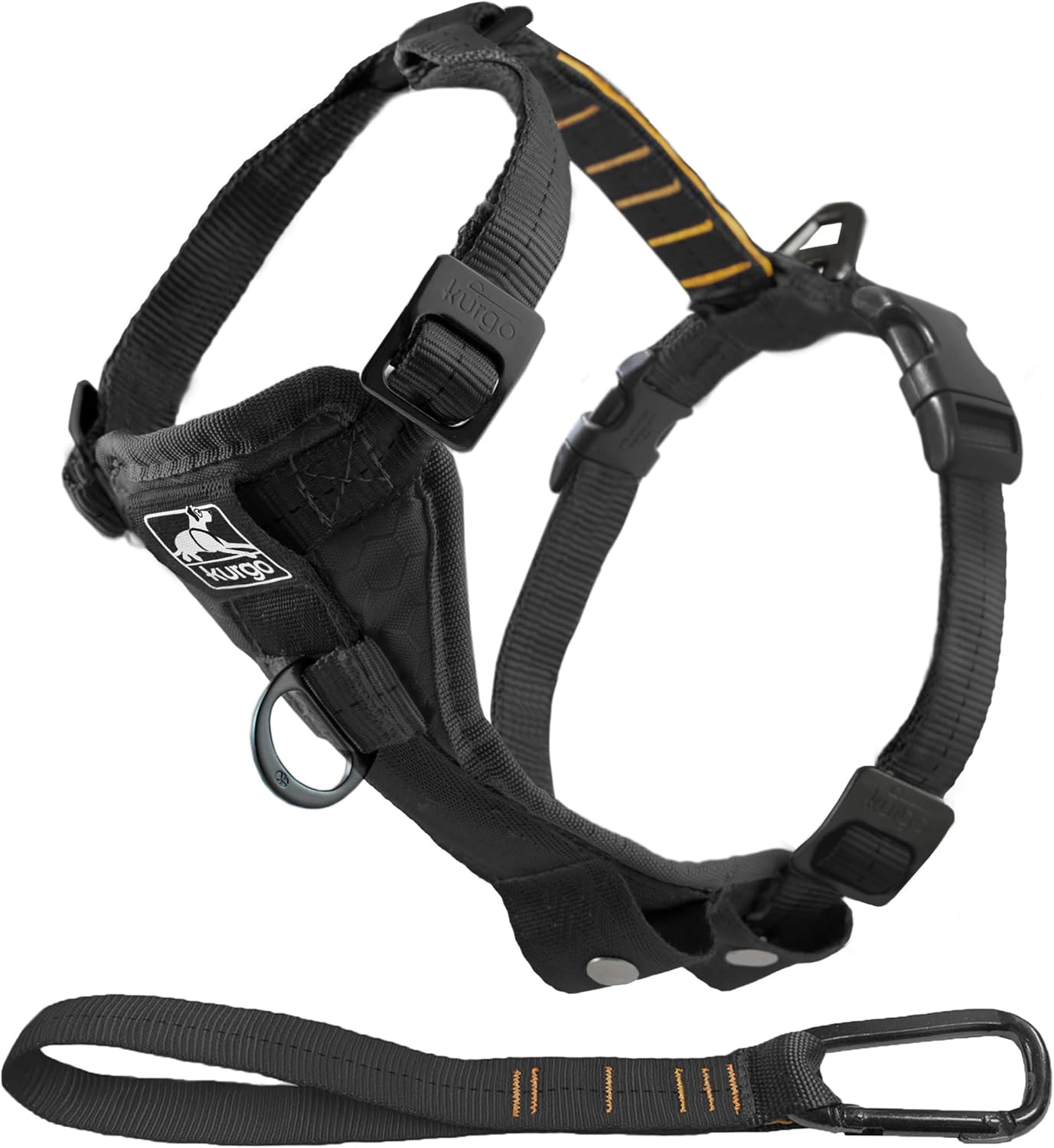
- Features: Crash-tested for car safety, padded no-pull design, multiple adjustment points
- Best for: Active dogs needing both training and travel harness
- Pros: Durable, comfortable, easy to clean
- Cons: Sizing can run small
- Check price on Amazon
🐾 Best Martingale Collars
Martingale collars are perfect for dogs who tend to slip out of regular collars or need gentle control during walks and training. Here are some top-rated martingales for 2025:
1. Max and Neo Martingale Collar

- Features: Soft nylon, metal D-ring, strong but gentle tightening mechanism
- Best for: Dogs with narrow heads like Greyhounds and Whippets
- Pros: Lightweight, comfortable, adjustable
- Cons: Limited color options
- Check price on Amazon
2. Blue-9 Martingale Collar

- Features: Durable, made from heavy-duty nylon with reflective stitching
- Best for: Everyday training and walking, especially for medium to large dogs
- Pros: Reflective for night safety, sturdy hardware
- Cons: Slightly bulky for very small dogs
- Check price on Amazon
3. Country Brook Design Martingale Collar

- Features: Variety of patterns and widths, handcrafted, quick-dry materials
- Best for: Owners who want style and function in one collar
- Pros: Stylish, durable, comfortable
- Cons: Some patterns limited in sizes
- Check price on Amazon
🐾 Best Prong Collars
Prong collars, also known as pinch collars, can be effective training tools when used responsibly and with proper guidance. They’re designed to provide gentle correction by applying even pressure around the neck.
1. Herm Sprenger Prong Collar

- Features: High-quality stainless steel, ergonomically designed prongs for comfort
- Best for: Experienced trainers working with strong or stubborn dogs
- Pros: Durable, effective, widely recommended by professionals
- Cons: Must be used carefully to avoid injury
- Check price on Amazon
2. PetSafe Deluxe Prong Training Collar

- Features: Adjustable sizing, quick-release links for safety
- Best for: Owners new to prong collars with guidance from trainers
- Pros: Easy to adjust, safe design, good value
- Cons: Some dogs may initially resist wearing it
- Check price on Amazon
3. Coastal Pet Prong Collar

- Features: Heavy-duty steel construction, smooth finish on prongs
- Best for: Large, powerful dogs needing firm but fair control
- Pros: Strong, comfortable if sized properly
- Cons: Not suitable for small or sensitive dogs
- Check price on Amazon
🐾 Best Electronic (E-) Collars
Electronic collars offer versatile training options with vibration, tone, and static stimulation modes. When used correctly, they can enhance recall and behavior training, especially for off-leash dogs.
1. Garmin Delta XC

- Features: 18 stimulation levels, tone and vibration options, waterproof design
- Best for: Outdoor training and recall with medium to large dogs
- Pros: Reliable, easy to use, great range
- Cons: Requires time to learn proper use
- Check price on Amazon
2. Dogtra 1900S
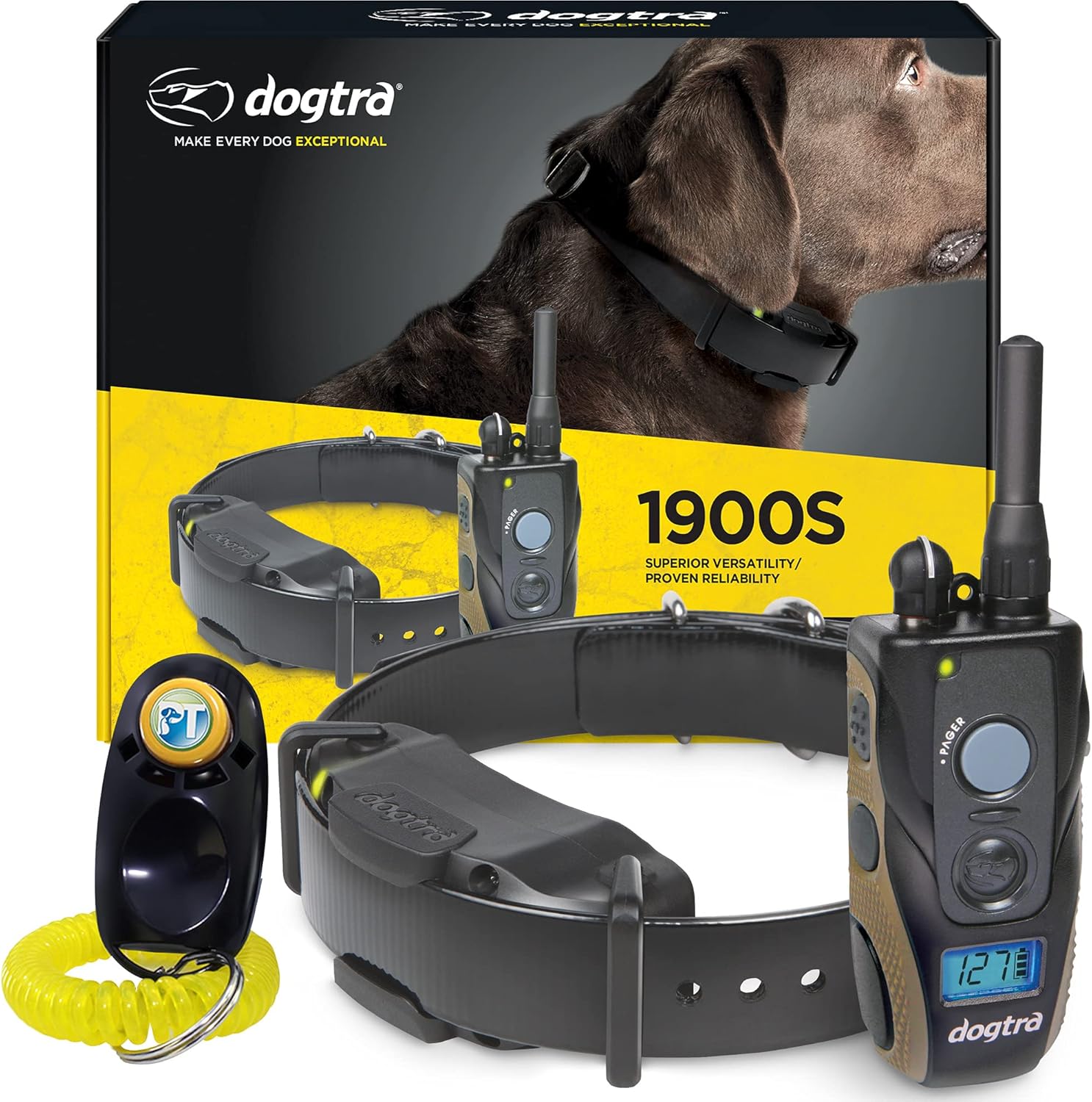
- Features: Remote control with 127 levels of stimulation, vibration, and tone
- Best for: Professional trainers and serious dog owners
- Pros: Precise control, long battery life, durable
- Cons: Higher price point, steep learning curve
- s Check price on Amazon
3. SportDOG Brand FieldTrainer 425X
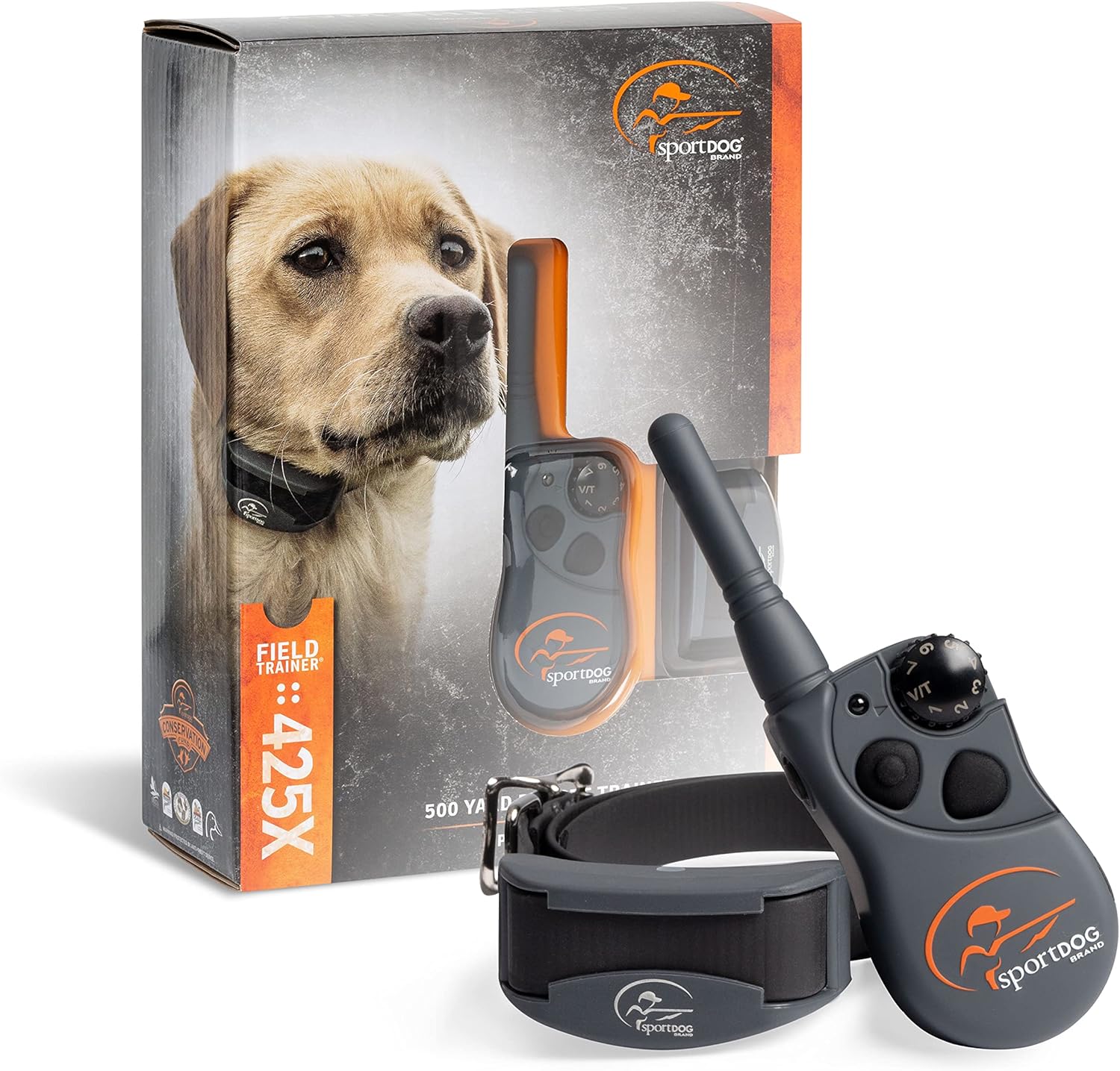
- Features: Waterproof, multiple stimulation levels, tone and vibration options
- Best for: Hunting and active dogs needing remote training
- Pros: Versatile, rugged, good range
- Cons: Can be complex for beginners
- Check price on Amazon
🐾 Best GPS Training Collars
GPS training collars combine location tracking with training functions like vibration and tone — perfect for active dogs who roam or work outdoors.
1. Garmin Alpha 200i

- Features: GPS tracking with mapping, remote training stimulation, geofencing alerts
- Best for: Hunters, search-and-rescue dogs, and adventurous pets
- Pros: Accurate tracking, durable, multiple training modes
- Cons: Expensive, requires subscription
- Check price on Amazon
2. SportDOG TEK Series GPS Collar

- Features: Real-time GPS tracking, remote training stimulation, shock/vibration/tone options
- Best for: Professional trainers and outdoor enthusiasts
- Pros: Rugged, reliable, versatile training features
- Cons: Costly, battery life varies with GPS use
- Check price on Amazon
3. Tractive GPS Tracker + Training Collar

- Features: Location tracking via app, vibration training signals, lightweight design
- Best for: Everyday pet owners wanting safety plus basic training
- Pros: Affordable, easy to use, no contracts required
- Cons: Limited training features compared to pro models
- Check price on Amazon
🐾 Best Tactical Harnesses
Tactical harnesses are designed for durability and control, perfect for working dogs, service dogs, and active pups who need rugged gear.
1. Ruffwear Web Master Harness

- Features: Heavy-duty nylon, multiple adjustment points, padded handles for control
- Best for: Working dogs, hiking, and search-and-rescue
- Pros: Extremely durable, comfortable for long wear, great control
- Cons: Bulkier than regular harnesses
- Check price on Amazon
2. 5.11 Tactical K9 Harness
- Features: MOLLE-compatible webbing, reinforced handles, quick-release buckles
- Best for: Police and military working dogs, tactical training
- Pros: Very strong, customizable, secure fit
- Cons: Expensive, heavier design
- Check price on 5.11
3. Dogline Tactical Dog Harness
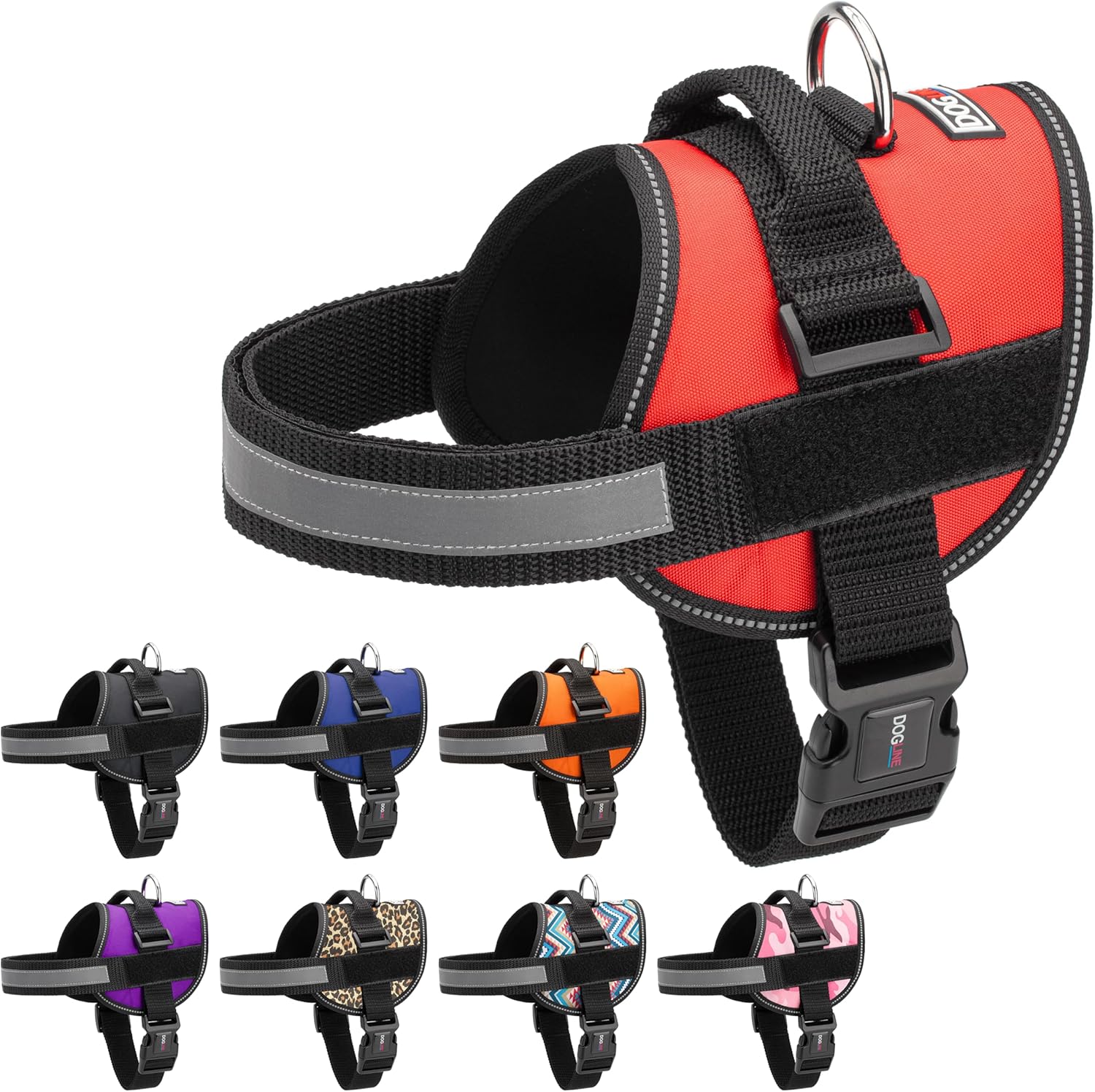
- Features: Breathable mesh lining, sturdy webbing, reflective trim
- Best for: Service dogs and active working dogs
- Pros: Lightweight for a tactical harness, durable, visible in low light
- Cons: May require sizing adjustments for bulky dogs
- Check price on Amazon
Socializing Your Dog: Importance and Techniques
Socialization is the foundation of a happy, confident pup. In this guide, we break down why socializing your dog matters and share practical techniques for puppies and adult dogs. Learn how to avoid common mistakes, use positive reinforcement, and set your dog up for a lifetime of positive experiences.
🐾 Conclusion & Final Recommendations
Choosing the right training collar or harness is one of the most important steps to set your dog—and yourself—up for success. The best gear fits well, feels comfortable, and matches your dog’s unique training needs.
From gentle martingale collars and effective no-pull harnesses to advanced GPS training collars, 2025 offers a wide range of high-quality options. Remember to prioritize safety, proper fit, and gradual training to get the best results.
If you’re new to training collars or harnesses, start simple and consider consulting a professional trainer to ensure you’re using the gear correctly and humanely.
Quick Takeaway Checklist:
- Measure your dog carefully before buying.
- Choose gear suited for your dog’s size and training goals.
- Always prioritize comfort and safety.
- Use training collars and harnesses as part of a positive training plan.
- Replace worn or damaged gear promptly.
🐾 Training Gear & Behavior Tools Cluster Topics
- Clicker Kits
- Best clicker kits for dog training
- How to use a clicker for effective training
- Clicker training tips for beginners
- Treat Pouches & Bags
- Top treat pouches for trainers on the go
- How to choose the right treat pouch
- DIY treat pouch ideas
- Training Collars (Non-Shock)
- Best non-shock training collars reviewed
- Benefits of positive reinforcement collars
- How to fit and use a training collar properly
- Training Leashes & Harnesses
- Best leashes for training puppies and adult dogs
- Training harnesses for behavior correction
- Leash training techniques and tips
- Agility Equipment
- Beginner agility kits for home training
- How to set up a backyard agility course
- Agility training tips for beginners